

Reusable vs disposable coffee cups, what the numbers say
The honest facts on impact, materials and choosing drinkware that actually helps.
Yes, provided you actually reuse them.
Australians throw away around 1.5 billion single-use coffee cups every year (Sustainability Victoria), and most cannot be recycled in kerbside bins because of their plastic lining. A reusable cup takes more to make, but a quality cup repays that footprint after roughly 10 to 15 uses (BioPak) and keeps saving every time after that. Used daily, switching can cut a cup’s yearly emissions by up to 92% versus disposables and save around 365 single-use cups per person each year (University of Melbourne, citing KeepCup life-cycle data).
The single biggest factor is simple: keep using the same cup. A quality cup that lasts for years, used daily, comfortably comes out ahead.
It comes down to break even uses
Figures from CIRAIG life-cycle research, via Responsible Cafes. Exact numbers vary by product and use. The principle holds across all of them: the more times you reuse a cup, the better it performs against disposables.
Materials and recyclability
Single use cup rules by state
There is no single national ban on disposable coffee cups. Rules are set state by state and are tightening, which is moving reusable cups from a nice gesture to a procurement and compliance choice for many organisations.
- NSW: Under the NSW Plastics Plan 2.0, NSW becomes the first Australian jurisdiction to require reusable cups. From 2028, takeaway food-service businesses must accept a reusable cup a customer brings and cannot charge extra for using it; from December 2030, large food-service businesses must also offer a reusable-cup option as part of a reuse system. Ahead of that, reusable-cup trials begin in NSW Government premises in 2026 alongside a Sydney CBD reuse precinct, and single-use plastic phase-outs start from late 2027.
- SA: From March 2026, exemptions for compostable items are tighter, requiring certified, clearly marked products.
- WA, VIC, QLD, ACT and TAS: staged single-use plastic bans and government procurement rules increasingly favour reusable and certified-compostable drinkware.
Current as at June 2026. Rules change, so check your state’s EPA for the latest.
Sustainability we can stand behind
Delivered Australia-wide
Orders ship from capital-city warehouses across Australia, which keeps freight distances and emissions down on a national footprint.
Cups built to last
The most sustainable cup is the one that keeps getting used. We supply quality drinkware designed for years of daily reuse, not a single season.
Straight advice, real specs
We do not overstate eco claims. You get honest guidance on materials, end of life and break-even so your campaign stands up to scrutiny. See the business case for the numbers.
Find your sustainable cup
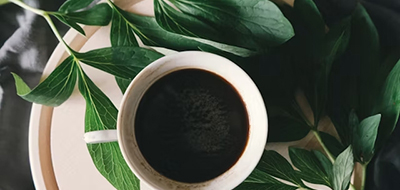
Eco & bamboo cups
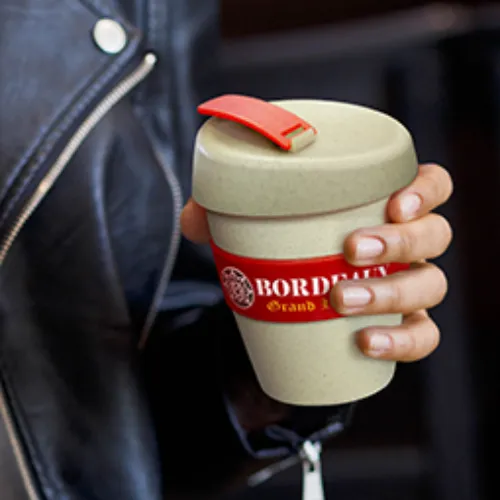
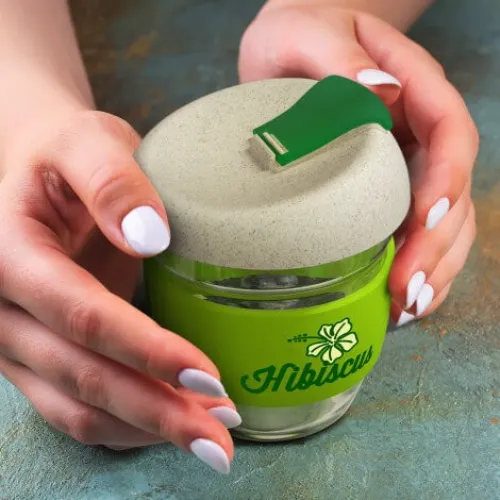
Natural plant-fibre cups with a low break-even point and a visible sustainability message.
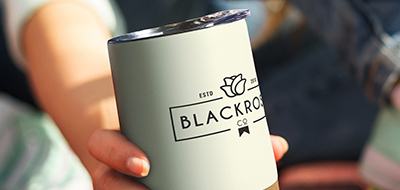
Cut event waste
Reusable cups and a return scheme to make your festival or venue single-use cup free.
Cafe reuse programs
Swap-and-return and loyalty schemes that take single-use cups off your counter for good.
Frequently Asked Questions About Reusable Cups
Are reusable coffee cups actually better than disposable ones
Yes, as long as you reuse them. A reusable cup has a higher footprint to make, but offsets it after roughly 10 to 15 uses, and that same yearly emissions saving grows the more you reuse the cup. Used daily for years, a quality cup comfortably outperforms a stream of single-use cups, most of which cannot be recycled.
How many times do I need to reuse a cup to break even
It depends on the material. A BPA-free plastic or bamboo cup breaks even after roughly 20 uses, stainless steel around 40, and ceramic around 100, though longer-lived cups keep saving for years (CIRAIG, via Responsible Cafes). As a simple rule, most quality reusable cups repay their footprint within 10 to 15 uses, and the more you reuse the same cup, the better it performs.
How many disposable coffee cups does Australia use
Australians throw away around 1.5 billion single-use coffee cups every year, according to Sustainability Victoria. Most cannot be recycled in standard kerbside bins because the waterproof plastic lining is hard to separate, so the majority go to landfill. A reusable cup that gets used daily replaces hundreds of these cups a year.
Are disposable coffee cups banned in Australia
There is no single national ban. Rules are set state by state and are tightening. Under the NSW Plastics Plan 2.0, takeaway food-service businesses will need to accept a customer's reusable cup from 2028, with large businesses offering a reusable-cup option from December 2030, and other states are phasing in single-use plastic rules. For many organisations this is making reusable cups a compliance and procurement choice, not just an eco one.
Can disposable coffee cups be recycled
Most cannot in standard kerbside bins, because the plastic lining that makes them waterproof also makes them hard to recycle. That is a key reason a kept, reused cup wins over single-use ones.
Which reusable cup material is most sustainable
There is no single answer, it depends on how long you keep it. Bamboo and plastic have low break-even points, glass and stainless last longest. The most sustainable choice is whichever cup you will genuinely keep using for years.
Which reusable cup material is best for the environment
The most sustainable cup is the one you keep using for years. Bamboo fibre and BPA-free plastic need the fewest uses to break even, while stainless steel and ceramic take longer but last far longer. Match the material to how the cup will actually be used, so it stays in service rather than a drawer.
Do reusable cups really make a difference for events
Yes, when they are kept and reused. A single event can hand out thousands of cups, and a reusable cup used afterwards replaces a stream of single-use ones. Pairing a low break-even material with a design people want to keep gives the best result, which is why event and stadium cups suit lightweight, durable styles.
Build a campaign you can defend
Tell us your goals and audience. We will recommend a cup with honest, concrete sustainability credentials.